Data & AI Strategy
A board-ready roadmap for the agentic enterprise: where data and AI create measurable ROI, sequenced by value and grounded in what the data supports.
Invest with confidence and know exactly what to build next. Our data and AI strategy services turn "we need an AI strategy" into a costed, sequenced roadmap: we work with CEOs and CTOs to start where someone can already put a number on the problem, and the team that writes the roadmap ships its first use case. We bring agentic solutions in and around Snowflake, and each use case grows the data practice and the AI practice your team keeps.
In scope
What our data and AI strategy services deliver
Every data and AI strategy engagement produces decisions you can fund and a plan your team can execute.
An AI readiness assessment
A scored review of data quality, governance, and architecture against the use cases you want to ship, so investment lands where the gaps actually are. Each gap comes back with the effort to close it and the use cases waiting on it.
A board-ready AI roadmap for the enterprise
Use cases sequenced by ROI and data readiness, each one costed, owned, and tied to a business metric. Every entry also carries a baseline taken before the build and the Snowflake compute and storage it will consume, so the board sees return and run cost side by side.
A data strategy anchored in a governed foundation
The target state on Snowflake that the roadmap depends on: governed, trusted data feeding real decisions, with Horizon Catalog and Semantic Views giving every team and every agent one business context. We design it hand in hand with our cloud architecture and data foundation work.
A clear path to the agentic enterprise
The roadmap sets which agentic solutions in and around Snowflake go first: Cortex Agents and Snowflake CoWork reasoning over governed data, or agents that act directly in the systems of record, like the scheduling agent at Magnolia Doors that books installations in the ERP once a coordinator approves. Where documents are the input, the first agent can start from an accelerator already in production: DocLens, StatementIQ, UnderwriteIQ, InvoiceMatch, or ContractLens.
AI governance for every agent
Each agent reads only what its permissions allow, answers from one definition of revenue and customer in Semantic Views, and leaves a trail: AI Agent Identity marks every query an agent runs and records which objects it read. Accuracy is measured before a use case scales, and the roadmap names the actions a person approves, inside the same security controls as the data.
An operating model your team keeps
Roles, governance, and a capability plan so both practices, data and AI, run on your payroll and keep improving, with Viewnear alongside as a managed service for as long as that is useful. Capability development builds the fluency, from executive data literacy to hands-on work for analysts and engineers.
The target state on Snowflake also names how data moves in both directions: in through Openflow, Snowpipe Streaming, and Zero-Copy Integrations with SAP, Salesforce, and Workday, and back out through Snowsight, Streamlit in Snowflake, Snowflake CoWork, APIs, and agents working inside the ERP and CRM. Our data engineering and AI analytics work builds both sides.
In practice
What it looks like in your stack
A closer look at what we stand up in and around Snowflake, from governed data products to agentic solutions, and how it lands where your team already works.
- An AI readiness assessment
- A board-ready AI roadmap for the enterprise
- A data strategy anchored in a governed foundation
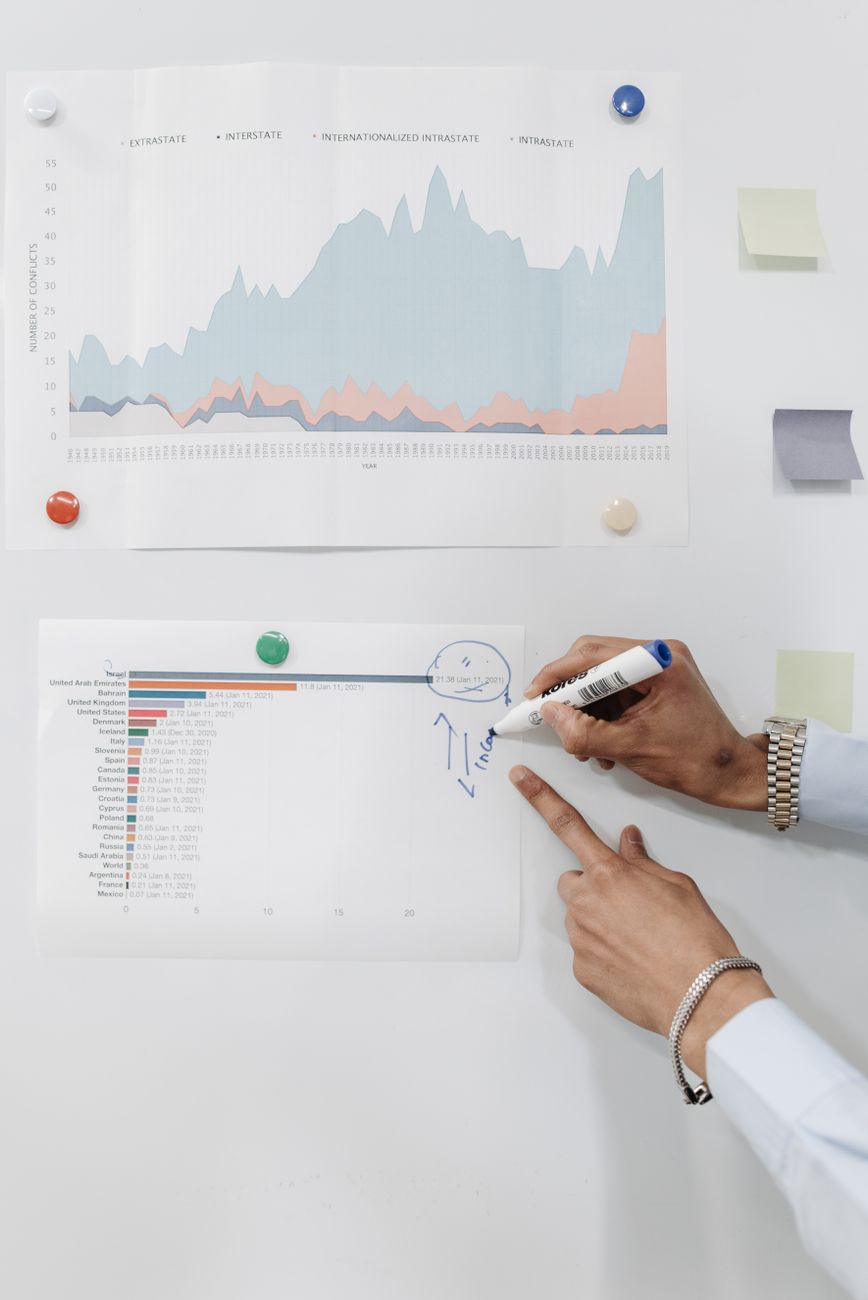
How we work
How a strategy engagement runs
A fixed cadence: working software on your data from sprint one, and each further commitment backed by what already runs in production.
- 01
Discovery
A short, focused engagement that fixes scope and price, and surfaces the real state of your data.
- 02
Use-case sprints
Working increments ship into your environment, one decision-ready slice at a time.
- 03
Proof before scale
Each slice proves out in production before anyone commits to the next.
- 04
A practice you keep
Your team builds alongside ours, so the capability stays in-house, with Viewnear available to run and improve it as a managed service.
A data and AI strategy is worth what reaches production. That is why defined builds are priced to the outcome, not the hours, and why we compress the distance between strategy and production. A short discovery fixes scope and surfaces the real state of your data. It returns a readiness score for each gap, the prioritized use cases with their owners, metrics, and baselines, the target state on Snowflake, the costed roadmap, and a sprint plan and price for the first build.
Use-case sprints then ship working increments, with proof before scale: the decision to invest further is made on evidence from production. That mechanism is how an engagement is scoped to first value in 8–16 weeks. Then comes a practice you keep: your team runs what was built, with Viewnear alongside as a managed service that keeps improving Snowflake and the agents.
The advice stays concrete because the same team delivers on it: SnowPro-certified engineers, a Snowflake Premier & Select Partner and Snowflake CoCo Preferred Partner, with 15+ years of combined leadership experience in data and AI. Teams already on Snowflake start from a review of the account they run today. If a legacy warehouse stands between you and the first use case, migration to Snowflake is planned into the sequence from discovery.
For a commercial-vehicle dealer group, delivery runs as three releases across a twelve-month roadmap, so eight business domains reach a trusted golden record in sequence. You can see how that sequencing plays out across industries in our case studies. A short intro call opens every engagement: start with a discovery.
Commitments and credentials
Nearshore delivery
Strategy built live in your working day, nearshore from Monterrey
Monterrey, MX · Austin, TX · US time zones
An AI roadmap is shaped in the room, in workshops where your executives argue priorities and trade-offs with ours. That collaboration runs in a shared working day. Leadership works from Austin, Texas, and SnowPro-certified engineers work nearshore from Monterrey, Mexico, keeping US business hours for clients across the USA and LATAM. Strategy workshops, working sessions, and steering meetings happen live, the same day the question comes up.
Snowflake and enterprise depth sits at every level of the team, from the architects in the workshop to the engineers in the first sprint. The result is a roadmap your leadership pressure-tests in the same meeting it is drafted, so priorities leave the room agreed.
FAQ
Frequently asked questions
How do I know if my company is ready for AI?
Readiness for artificial intelligence is measurable, use case by use case. We assess data quality, governance, architecture, and team skills against the specific use cases you want to ship, and score each gap by the effort to close it. Each use case comes back either ready to build now or waiting on a named gap, and the roadmap is sequenced on exactly that.
How do I implement AI in my company?
Start with one use case: a process someone can already put a number on, whether hours a week, an error rate, or days added to the close, and whose data the team can reach this quarter. Each use case then follows the same order: prioritized by value and feasibility, built on the governed foundation it needs, and put into production with a proof of concept that shows the return before it scales. The governed tables and definitions it leaves behind become the foundation for the next one, and a short discovery turns that order into a plan with costs and owners. There is more on that answer in our notes from Snowflake World Tour Mexico City.
What should an AI roadmap include?
Four things at minimum: use cases prioritized by business value and feasibility, the data foundations each one depends on, costs and owners per initiative, and the operating model that keeps it running. A roadmap with agents on it also names the data each agent may read and the actions a person approves. With all of that in place, the board can fund it and sprint one can start.
How do we measure AI ROI for the board?
Each use case on the roadmap carries a baseline taken before the build, the business metric and KPI it moves, the controls that limit its risk, and a run cost for the Snowflake compute and storage it consumes, so the board reads return and spend side by side. Output quality is checked before the use case scales, and results are reported against the same baseline. The Magnolia Doors case shows the before and after: 13 to 17 hours every week spent getting jobs onto a calendar, down to roughly one and a half to two.
How do we know an AI agent is right, and who approved what it did?
An agent earns its place in proof before scale: its answers are tested against questions with known answers, on the same governed definitions in Semantic Views the business already reports from, and the use case scales once accuracy holds. In production, AI Agent Identity marks every query an agent runs and records which objects it read, Horizon Catalog carries lineage back to the source, and the roadmap sets which actions go to a person for approval before they run. That trail is what an auditor asks to see.
How long does a data and AI strategy engagement take?
The readiness assessment and roadmap take shape during discovery in the opening weeks, and the first use-case sprint ships a working increment against real data soon after, so an engagement is scoped to first value in 8–16 weeks, with proof before scale. Strategy and delivery run as one engagement; the roadmap earns trust by shipping against it. Discovery fixes scope and price for the first build, and defined builds are priced to the outcome, not the hours; the pricing page lays out each engagement model.
Proof
See it running in production
Engagements by sector and region, each with the problem, the build, and the numbers, from a Snowflake Premier & Select Partner delivering nearshore across the USA and LATAM.
Explore the case studiesRather just ask someone?
Book 30 minutes with the person who would own the work. No deck, no obligation, and a straight answer on whether we are the right fit.



Where this leads